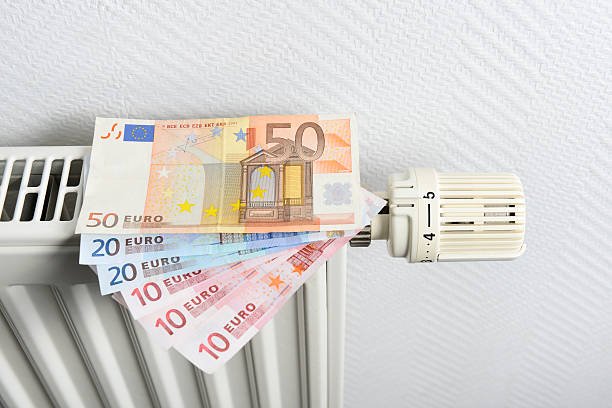
Introduction to Grants for Central Heating
Finding affordable ways to keep homes warm and energy‑efficient is an increasing concern for individuals and families. One of the most effective ways to reduce heating costs and improve comfort is through upgrading or installing modern central heating systems. Fortunately, many governments, local authorities, and energy agencies offer grants for central heating to help people cover maintenance, replacement, or initial installation expenses. These funding options can significantly reduce upfront costs and encourage more energy‑efficient homes.
- Introduction to Grants for Central Heating
- Understanding Grants for Central Heating
- Types of Grants for Central Heating
- 1. Government Household Energy Grants
- 2. Local Authority Heating Grants
- 3. Renewable and Energy Efficiency Grants
- Eligibility Criteria for Grants for Central Heating
- Income Level and Benefits Status
- Property Type and Age
- Energy Ratings and Assessments
- Geographic Location
- How to Apply for Grants for Central Heating
- Step 1: Research Available Grants
- Step 2: Check Eligibility Requirements
- Step 3: Complete Application Forms
- Step 4: Arrange Inspections or Surveys
- Step 5: Install Approved Upgrades
- Step 6: Final Evaluation and Payment
- Examples of Grants for Central Heating Assistance
- Benefits of Installing Central Heating with Grant Support
- Lower Energy Costs
- Improved Home Comfort
- Reduced Carbon Footprint
- Increased Property Value
- Greater Safety
- Common Myths About Grants for Central Heating
- Myth 1: Grants Only Go to Low‑Income Households
- Myth 2: The Application Is Too Complex
- Myth 3: You Must Pay Back the Grant
- Myth 4: Only Homeowners Can Apply
- Myth 5: Grants Cover 100% of Costs
- Tips for Securing Grants for Central Heating
- Conclusion: Maximizing Support Through Grants for Central Heating
- Frequently Asked Questions (FAQs)
In this comprehensive guide, we explain what these grants are, who qualifies, how to apply, and what types of central heating improvements are supported. Whether you are a homeowner on a low income, a renter facing high energy bills, or a property owner planning a major upgrade, understanding the landscape of grants for central heating is essential for making informed decisions that benefit both your wallet and your home.
Understanding Grants for Central Heating
What Are Grants for Central Heating?
Grants for central heating are financial contributions that help people pay for the cost of installing, replacing, or improving central heating systems. Unlike loans, these grants do not need to be paid back, making them highly beneficial for households struggling with energy costs or living in older properties with outdated systems.
Central heating refers to systems that provide heat to multiple rooms from a single source, typically using a boiler, radiators, or underfloor pipes. Grants may cover energy‑efficient boilers, heat pumps, insulation in conjunction with heating upgrades, or even renewable heating solutions like solar thermal systems.
Why Are Grants Available?
Governments and energy providers promote these grants as part of wider efforts to:
-
Reduce energy consumption
-
Lower household fuel bills
-
Decrease carbon emissions
-
Support vulnerable or low‑income households
-
Encourage adoption of cleaner, modern heating technology
By providing financial support, authorities seek to make energy‑efficient home improvements more accessible for all.
Types of Grants for Central Heating
Grants for central heating can come in many forms, depending on the country, region, or funding program. Below are common categories:
1. Government Household Energy Grants
Many national governments offer centralized energy grants aimed at improving residential heating systems. These programs often target:
-
Low‑income households
-
Older adults or vulnerable populations
-
Properties with energy ratings below a certain threshold
-
Owners living in fuel‑poor areas
Examples can include direct cash grants, vouchers for equipment upgrades, or subsidies for qualified contractors.
2. Local Authority Heating Grants
Local councils or municipalities may administer grants designed to meet specific regional needs. Funding priorities can include:
-
Improved insulation and heating for retirees
-
Grants tied to local fuel poverty strategies
-
Support for residents of older housing stock
-
Special schemes for rural dwellings lacking infrastructure
Local authority schemes vary by area and may change yearly based on budget availability and legislative priorities.
3. Renewable and Energy Efficiency Grants
Some programs focus on sustainable heating and environmental impact. These include grants for:
-
Heat pumps (air, ground, or water source)
-
Biomass boilers
-
Solar thermal systems linked to central heating
-
Combined energy‑efficiency measures (insulation + heating)
Such grants are usually tied to carbon reduction commitments and may require meeting specific efficiency standards.
Eligibility Criteria for Grants for Central Heating
Eligibility for grants for central heating depends on the specific program, but most share common criteria:
Income Level and Benefits Status
Many schemes prioritize low‑income households or those receiving benefits such as:
-
Universal Credit or similar social assistance
-
Pension Credit
-
Disability benefits
-
Income‑based support programs
Higher income may reduce or eliminate eligibility in some cases.
Property Type and Age
Certain grants are reserved for:
-
Owner‑occupied homes
-
Houses with lower energy ratings (e.g., EPC ratings D or below)
-
Older buildings requiring upgrades
-
Properties without existing central heating
Renters sometimes qualify if the landlord agrees to the improvements.
Energy Ratings and Assessments
Some programs require an energy performance assessment (EPC) before and after installation. Grants may depend on:
-
Current energy rating of the property
-
Projected improvement in energy efficiency
-
Type of heating technology installed
Geographic Location
Local authorities may restrict grants based on:
-
Residency within specific regions
-
Targeted fuel‑poor communities
-
Areas with cold climate challenges
Applicants must often prove address and residency.
How to Apply for Grants for Central Heating
Applying for financial support can feel overwhelming, but following a clear process makes it manageable:
Step 1: Research Available Grants
Start by identifying programs available in your area. This can involve:
-
Visiting government energy and housing websites
-
Contacting local council energy advice services
-
Checking utility provider schemes
-
Consulting non‑profit energy agencies
Step 2: Check Eligibility Requirements
Before applying, carefully review the qualification criteria, which may include:
-
Proof of income
-
Property documentation
-
Previous energy assessments
-
Benefit statements or tax forms
Ensure you have all required documentation ready.
Step 3: Complete Application Forms
Most grants require completed applications with:
-
Personal identification (ID, address proof)
-
Details about your current heating system
-
Quotes or estimates from licensed installers
-
Energy performance certificates in some cases
Applications may be submitted online, by mail, or in person, depending on the program.
Step 4: Arrange Inspections or Surveys
Some programs require energy audits or home inspections before approval. Authorized assessors will:
-
Inspect current heating systems
-
Evaluate insulation levels
-
Recommend upgrades or improvements
These assessments are often subsidized or free.
Step 5: Install Approved Upgrades
Once the grant is approved, you may be required to use certified technicians or contractors. Approved installers will:
-
Provide final cost estimates
-
Complete the installation
-
Submit completion reports if required
This step ensures work meets program standards.
Step 6: Final Evaluation and Payment
Some grants release funds after:
-
Work is completed
-
Final inspection confirms compliance
-
Proof of payment is submitted
Always keep copies of receipts and certificates.
Examples of Grants for Central Heating Assistance
Below are illustrative examples of the types of support available across different regions:
A. Government Heat and Energy Schemes
Many governments subsidize central heating upgrades through national energy schemes focusing on:
-
Boiler replacement incentives
-
Financial assistance for families with young children, elderly members, or people with disabilities
-
Energy subsidies for rural housing
These wider programs often include gas, electric, or renewable systems.
B. Local Energy Grant Programs
Regional councils may offer:
-
Grants specifically for upgrading outdated furnaces or boiler units
-
Combined improvements including insulation, draught proofing, and thermostat upgrades
-
Emergency heating repairs grants in cold seasons
Check with local housing or environmental departments for availability.
C. Utility Company Rebates
In some countries, utility providers offer rebates to encourage:
-
More efficient central heating systems
-
Smart thermostat adoption
-
Reduced overall energy demand
Utility rebates may be combined with government grants to reduce costs further.
Benefits of Installing Central Heating with Grant Support
Upgrading central heating through financial assistance provides multiple advantages:
Lower Energy Costs
Modern systems are more efficient than outdated ones, reducing fuel bills over time.
Improved Home Comfort
Consistent heat distribution ensures more stable indoor temperatures without cold spots.
Reduced Carbon Footprint
Energy‑efficient systems contribute to lower emissions, aligning with environmental goals.
Increased Property Value
A modern heating system enhances property appeal and resale value.
Greater Safety
Replacing old heaters reduces fire risks, carbon monoxide exposure, and system breakdowns.
Common Myths About Grants for Central Heating
Understanding the truth behind common misconceptions can help applicants make better decisions.
Myth 1: Grants Only Go to Low‑Income Households
While many focus on low income, some programs support wider groups based on energy efficiency goals.
Myth 2: The Application Is Too Complex
Although paperwork is involved, many agencies provide support to help applicants complete forms.
Myth 3: You Must Pay Back the Grant
Grants do not require repayment, unlike loans or financing schemes.
Myth 4: Only Homeowners Can Apply
Renters may qualify if landlords agree to participate or if the program supports tenant‑side improvements.
Myth 5: Grants Cover 100% of Costs
Some grants are partial and require matching contributions, especially for premium systems like heat pumps.
Tips for Securing Grants for Central Heating
To increase your chances of success:
-
Start Early – Some programs have limited funds and deadlines.
-
Prepare Documentation in Advance – Sorting income and property paperwork saves time.
-
Get Multiple Quotes – Some grants require competitive bidding for transparency.
-
Work with Certified Installers – Approved professionals ensure compliance with requirements.
-
Stay Informed – New schemes and pilot programs are introduced regularly.
Conclusion: Maximizing Support Through Grants for Central Heating
Securing financial support through grants for central heating can be life‑changing for individuals and families seeking relief from high energy costs, outdated heating systems, or challenging living conditions. These programs represent a partnership between governments, local authorities, energy agencies, and the public to create healthier, more efficient homes.
Whether you are replacing an old gas boiler, installing a renewable heat pump, or upgrading insulation alongside your central heating system, knowing what grants are available, how to qualify, and how to apply gives you a clear path forward. By taking proactive steps and using available resources, you can achieve a safer, more cost‑effective, and energy‑efficient home environment—all while easing financial burden.
Frequently Asked Questions (FAQs)
1. What are grants for central heating and who provides them?
Grants for central heating are financial aids designed to help people cover the cost of installing or upgrading heating systems. They are provided by governments, local councils, energy agencies, and sometimes utility companies to promote energy efficiency and reduce fuel poverty.
2. How do I qualify for a grant for central heating?
Eligibility varies but commonly depends on income level, benefits status, property age and energy rating, and geographic location. Applicants often need documentation proving eligibility.
3. Can renters apply for grants for central heating?
Yes. In many regions, renters can apply if the property owner agrees, or if the grant program specifically includes tenant support for heating improvements.
4. Are grants for central heating fully covering installation costs?
Not always. Some grants cover full costs, while others provide a partial subsidy requiring the homeowner to contribute remaining expenses.
5. Do I need a qualified installer to receive a grant?
Most grants require work to be done by certified or approved technicians to ensure safety, efficiency, and compliance with program standards.