Grouse cheese
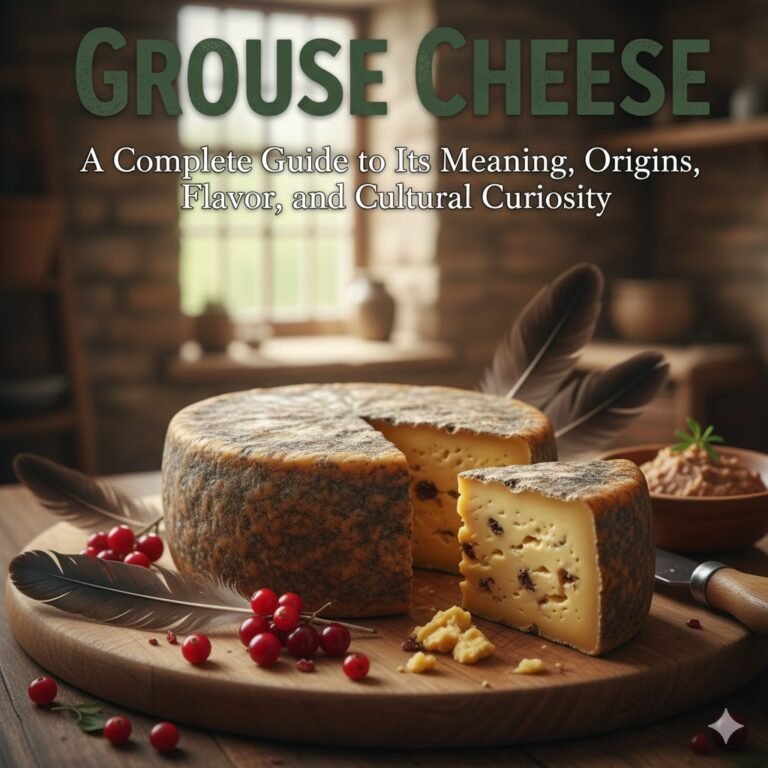
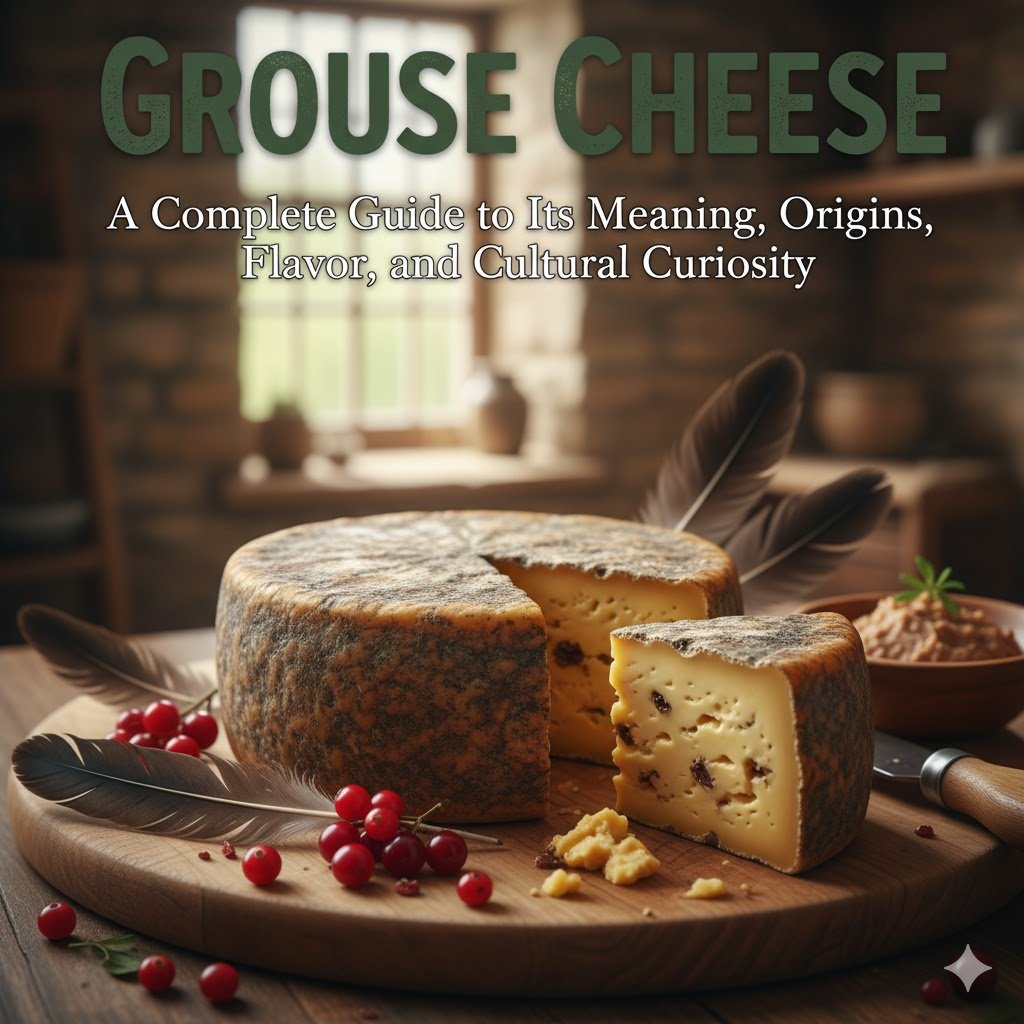
Grouse Cheese: A Complete Guide to Its Meaning, Origins, Flavor, and Cultural Curiosity
Grouse cheese is a term that instantly sparks curiosity. At first glance, it sounds like a rare gourmet delicacy tied to wild game birds or an old countryside recipe. However, grouse cheese is far more interesting than a simple food name. It sits at the intersection of culinary imagination, regional expression, and evolving internet culture. Over time, this phrase has developed multiple interpretations, depending on who is using it and where it is being discussed.
In this in-depth guide, we will explore what cheese is, where the term comes from, how it is understood today, and why it has gained attention online. Whether you encountered it in a conversation, saw it mentioned on social media, or heard it referenced in food-related discussions, this article will give you a clear and complete understanding.
What Is Grouse Cheese?
Grouse cheese is not a widely recognized commercial cheese variety like cheddar, brie, or gouda. Instead, it is a conceptual or descriptive term that has been used in different ways across regions, folklore, and modern digital spaces.
Historically, the phrase may have been associated with rustic countryside cooking, where hunters paired wild grouse with strong, aged cheeses. In more recent times, the term has taken on informal, symbolic, or even humorous meanings, depending on context.
Rather than being a product you can easily find in grocery stores, cheese represents an idea—one shaped by tradition, storytelling, and evolving language.
The Origins of the Term Grouse Cheese
Rural and Culinary Roots
In older European countryside traditions, particularly in hunting communities, grouse was considered a prized game bird. Meals featuring grouse were often paired with robust dairy products, including aged or fermented cheeses.
Some historians believe the phrase grouse emerged as shorthand for:
A strong cheese served alongside roasted grouse
A cheese dish prepared during grouse hunting season
A descriptive nickname for cheese with a “gamey” or earthy aroma
This does not mean grouse cheese was made from grouse milk (which is impossible), but rather that it was associated with the same rustic dining experience.
Linguistic Evolution
Language evolves through repetition and reinterpretation. Over time, cheese began appearing in informal speech, where it was used metaphorically rather than literally. In some cases, it described:
A strong-smelling cheese
Something unusual or unexpected
A playful phrase meant to provoke curiosity
This linguistic flexibility helped the term survive even as traditional hunting lifestyles became less common.
Is Grouse Cheese a Real Cheese?
This is one of the most common questions.
The honest answer is: grouse is not an officially recognized cheese category.
There is:
No standardized recipe
No protected designation
No mass-produced version
However, that does not make the term meaningless. Many food-related expressions exist without formal definitions. In the case of cheese, its value lies in interpretation rather than production.
Modern Meanings of Cheese
1. Culinary Curiosity
Among food enthusiasts, grouse cheese may be used to describe:
A cheese that pairs exceptionally well with game meats
A cheese with deep, earthy, or wild flavor notes
A dish that blends rustic and refined elements
Chefs sometimes enjoy using imaginative language, and cheese fits perfectly into that tradition.
2. Internet and Slang Usage
In modern online spaces, grouse cheese has appeared as:
A humorous phrase
A niche keyword
A symbolic or abstract term used for engagement
Its ambiguity makes it intriguing, which is often enough to drive interest.
3. Cultural Expression
Some communities treat grouse cheese as a folk expression, similar to idioms that don’t translate directly but still carry meaning. In this sense, the phrase becomes a cultural artifact rather than a literal food item.
Flavor Profile Associated With Grouse Cheese
Even though it is not a standardized cheese, people often associate cheese with certain sensory qualities:
Strong aroma
Earthy or nutty undertones
Aged or fermented characteristics
Rustic, countryside appeal
These traits align closely with cheeses traditionally served in hunting lodges or rural kitchens.
Why Grouse Cheese Has Gained Attention Recently
Search Trends and Curiosity
Unusual phrases naturally attract attention. As more people encounter the term grouse online, curiosity drives searches. People want to know:
Is it real?
Where does it come from?
Can it be eaten?
This curiosity loop helps the term spread.
The Power of Niche Keywords
In the digital age, niche keywords often gain traction simply because they are unique. cheese stands out precisely because it is not overused, making it attractive for content discovery.
Cultural Nostalgia
There is growing interest in traditional food culture, rural lifestyles, and forgotten expressions. cheese fits into this trend by evoking a sense of heritage and mystery.
How Grouse Cheese Is Used in Food Discussions
When people mention grouse cheese today, they may be referring to:
A pairing concept rather than a product
A symbol of rustic luxury
A conversation starter in culinary writing
It is often used descriptively, not literally.
Misconceptions About Grouse Cheese
Myth 1: It Is Made From Grouse
This is false. Grouse are birds and do not produce milk. cheese has never referred to dairy sourced from grouse.
Myth 2: It Is Illegal or Exotic
There is nothing illegal or restricted about the term. It is simply misunderstood.
Myth 3: It Is a Modern Invention
While its online popularity is recent, the roots of the phrase likely go back much further.
The Symbolic Appeal of Grouse Cheese
One reason grouse cheese continues to attract interest is its symbolic richness. It represents:
Old-world craftsmanship
Seasonal eating
Strong flavors and bold choices
Culinary individuality
In a world of standardized products, such symbolism is powerful.
Can You Recreate the Cheese Experience?
While you cannot buy grouse cheese as a product, you can recreate the idea behind it by:
Pairing aged cheeses with game or roasted meats
Choosing cheeses with deep, complex aromas
Serving food in a rustic or seasonal context
This approach captures the essence of what grouse represents.
The Future of Grouse Cheese as a Concept
As food language continues to evolve, grouse cheese may:
Become a recognized pairing term
Remain a niche cultural phrase
Inspire new culinary interpretations
Its future depends less on production and more on storytelling.
Conclusion: Why Grouse Cheese Still Matters
Grouse cheese is not defined by a recipe or a label. It is defined by imagination, tradition, and interpretation. Whether seen as a rustic culinary concept, a linguistic curiosity, or a symbolic expression, cheese continues to intrigue because it does not fit neatly into modern categories.
In an era where people crave authenticity and originality, cheese stands as a reminder that food culture is not just about what we eat—but how we talk about it, remember it, and reinvent it. That is what makes this term timeless, even without a physical product behind it.
FAQs About Grouse Cheese
1. Is grouse cheese a real type of cheese?
No, grouse cheese is not an officially recognized cheese variety. It is a descriptive or conceptual term rather than a commercial product.
2. Why is it called grouse cheese?
The name likely comes from historical food pairings involving grouse and strong cheeses, combined with linguistic evolution over time.
3. Can I buy grouse cheese anywhere?
Currently, there is no standardized product sold under the name grouse cheese.
4. Does grouse cheese involve grouse meat?
Not directly. The term is symbolic and does not mean the cheese contains grouse.
5. Why is grouse cheese popular online?
Its uniqueness, mystery, and cultural depth make it appealing in digital and culinary discussions.
About the Author